

selected reviews

Welcome to All About Jazz!

Popular Jazz Songs: 2025

By

623 views

All About Jazz tracks how often a featured song is heard, and the following represent the most popular in 2025. If you missed them the first time around, give them a listen now, and enjoy!

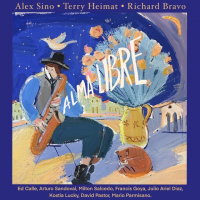
I'll Be Always With You

From: Alma Libre
By Arturo Sandoval


Tutu

From: TUTU -Tribute to Miles (Feat. Stefano Andreatta)
By Selma Boragian


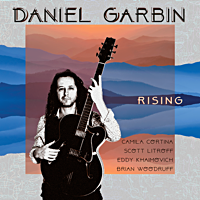
Rising

From: Rising
By Daniel Garbin


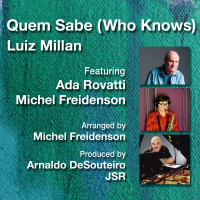
Quem Sabe

From: Quem Sabe [Feat. Ada Rovatti, Randy Brecker, Michel Freidenson]
By Luiz Millan


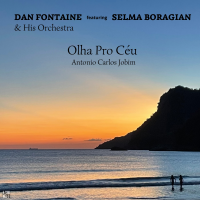
Olha Pro Ceu

From: Olha Pro Ceu (Antonio Carlos Jobim, feat. Selma Boragian)
By Dan Fontaine & His Orchestra


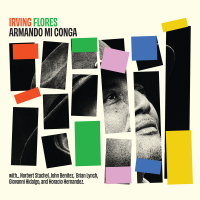
Armando Mi Conga

From: Armando Mi Conga
By Irving Flores


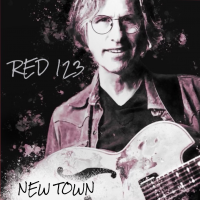
Wichita Lineman

From: New Town
By Steve Bryant


Layla

From: Living Standards II
By Karl Latham


Blue Palestine Part Two

From: Mundoagua: Celebrating Carla Bley
By Arturo O'Farrill


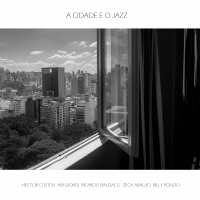
I Love You

From: A Cidade E O Jazz


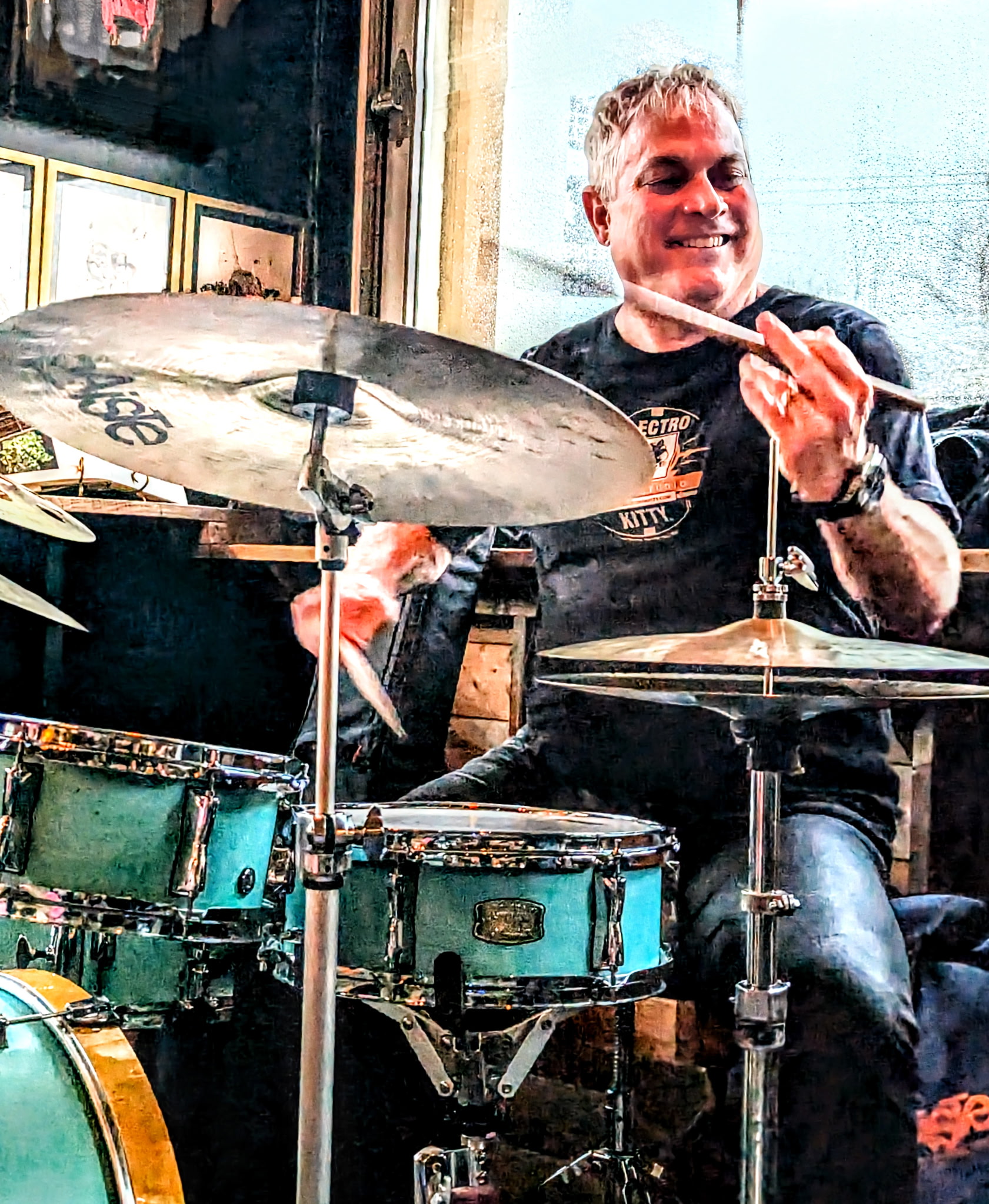
Karl Latham on Capturing Drum Vibe with AEA Ribbon Microphones


From jazz ensembles to Broadway pits, drummer and educator Karl Latham has built a career on versatility. Whether locking into a groove with a click or exploring wide-open avant-garde soundscapes, his approach always centers on capturing the essence of the music in front of him.

Latham’s attention to detail goes far beyond sticks and cymbals—his philosophy extends into mic choice and placement, with a particular passion for ribbon microphones. As both a performer and educator, he sees the microphone not just as a recording tool but as a creative partner that can shape tone, technique, and vibe.

In this interview, Latham shares how AEA ribbons have become integral to his sessions. From first being blown away by a pair of overheads to using N8s and R84s as his go-to setup at Firefly Studio, he explains why “hearing is believing” when it comes to ribbons, and how students and engineers alike can expand their sonic palette by embracing them.
How would you describe your philosophy when it comes to capturing drums?

Great question! Like many of us, I often wear different hats: artist, craftsman and somewhere in between. In all situations I try to capture the sound and “groove” that best serves the music, artist and vibe. That can range for me from laying it down with a click to wide open avant garde soundscapes. To achieve this I spend a great amount of detail on my choices: drums, heads, cymbals, sticks/implements (sizes, material and tips), tuning and microphone choice and placement. Then I try to most naturally and faithfully capture the vibe being created.

What drew you to ribbon microphones as a tool for that kind of capture?

The unparalleled combination of detail, openness and natural warmth that I never heard before, even from the finest LDC’s or SDC’s.

Do you remember your first experience using an AEA mic on drums?

My first experience was revelatory and turned me into a ribbon mic fanatic, just ask my engineer friends 🙂 The first time I “heard” AEA Ribbon Microphones an engineer pulled out a pair of AEA’s for the overheads. They hit the first playback and I experienced a level of detail combined with a totally natural openness that blew my mind.
Which AEA mics do you find yourself reaching for most often, and how are you typically using them?

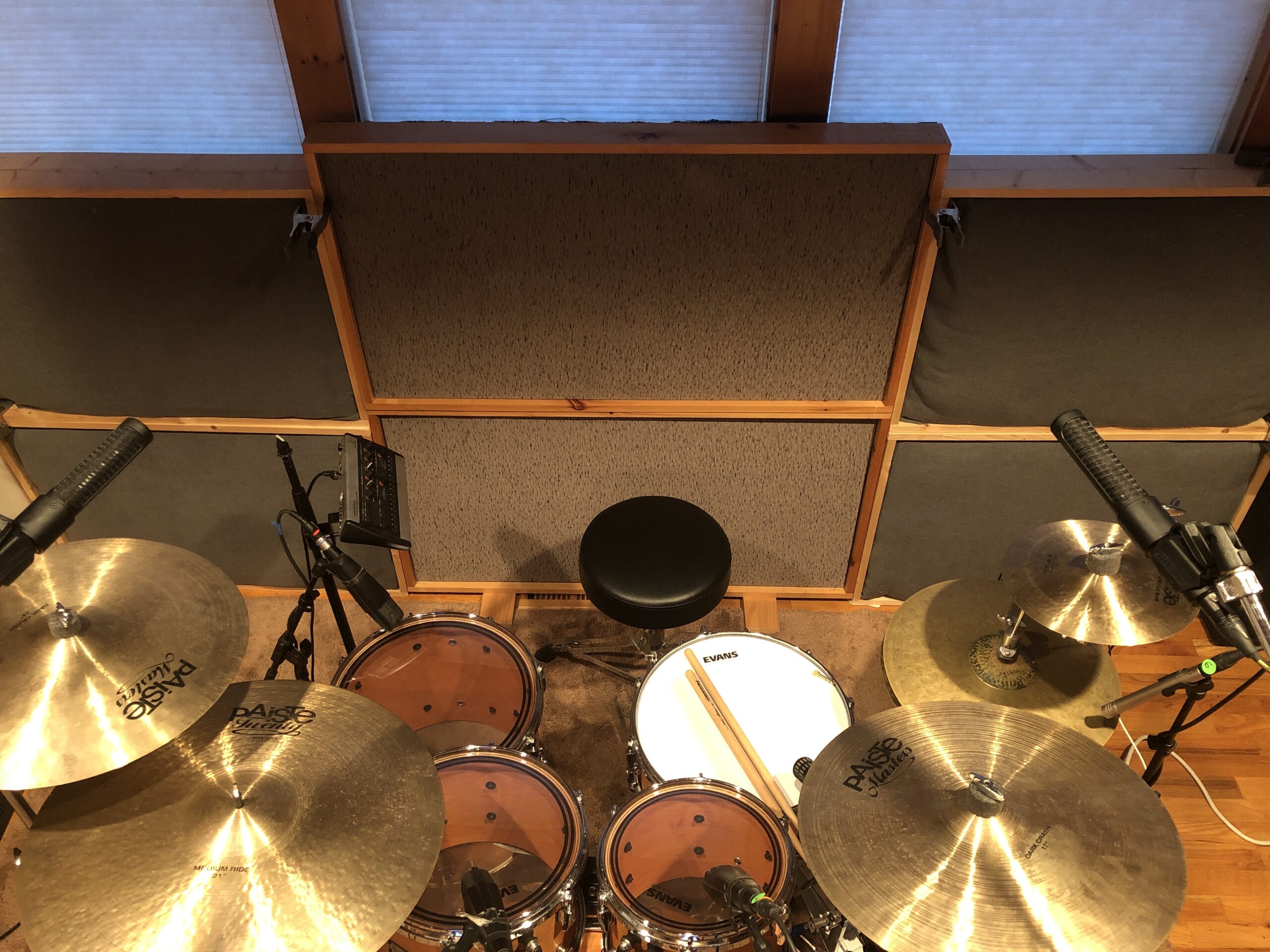
My absolute “goto” overheads are my N8’s. I have the stereo kit, giving me a wide range of options for placement and capture. I use them on all of my own recordings. I have been lately adding an R84, to a close mic LDC, a few feet from the resonant bass drum head. A very well known engineer/friend that I send my tracks to recently asked: “how did you record that bass drum?”.

Any time there is an upright bassist, saxophonist, trumpeter, flutist, guitarist I use an R84. I often capture vocalists with them as well.

As both a performer and educator, how do you introduce students or younger drummers to the concept of mic selection?

One of the colleges I teach at has an amazing music technology curriculum and state of the art studios. Of course they have AEA’s in the cabinet. I try to impart to my students how important microphone selection and placement can be in creating a given vibe. A Large Diaphragm Condenser, Small Diaphragm Condenser, Dynamic or Ribbon all capture and create different vibes. It is so important to know what to reach for when you know what you are trying to create.

You’ve mentioned that mic choice can actually influence a player’s technique. Can you expand on that?

I certainly feel that what I am hearing in the cans (I also choose my headphones wisely for the different musicians on a session) or playback monitors directly influences how I am approaching playing the instrument to make it speak the way I am going for. It is not only my hand and foot techniques that I may change, I may try different stick/implement weights, tip types, materials, cymbals, etc. depending on what I hear being captured in the moment.
Are there any particular sessions or performances where an AEA mic helped you capture something really special?

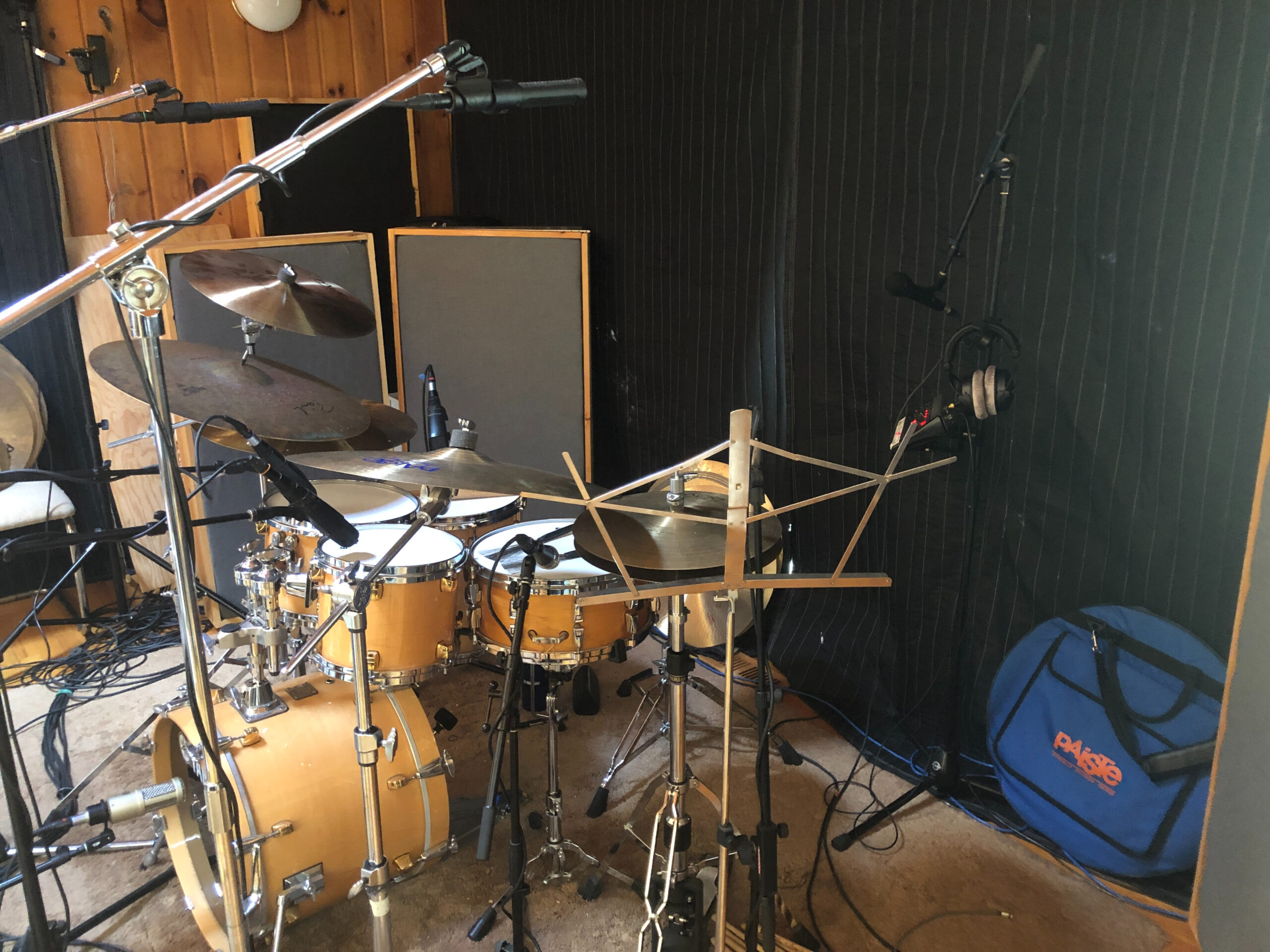
All of my recordings here 🙂 my first full on AEA recording was Living Standards with renowned bassist Mark Egan and Vic Juris. It was my first recording here at Firefly. I had N8’s on the overheads and an N22 on the bass drum.

Two recordings I made first as livestreaming events are: Together with Alex Collins and Transcendence with Bob Gluck/Christopher Dean Sullivan/Karl Latham which both have stellar drum sounds.

My most recent release Living Standards II with Mark Egan, Mitch Stein, Henry Hey, Roger Squitero and Wolfgang Lackerschmid I feel has the best drum sounds so far: N8’s, R84 in front of the bass drum, R84 guitar cabinet.

What advice would you give to drummers or producers thinking about incorporating ribbon mics into their workflow?

I think hearing is believing. I have experienced “resistance” from some engineers that I have brought in on certain sessions. They are very familiar with their SDC or LDC choices that have always “worked” for them. As soon as I convince them to just give my AEA’s a try, they usually are hooked!

I think any situation where you want to naturally capture an instrument, voice or amplifier in a detailed, completely “open” way a Ribbon should be your first goto choice. When I go back to many recordings that I love, when I see photos of the sessions, 9 out 10 times a ribbon is somewhere in view. Hearing IS believing.

Finally, how would you sum up the role AEA ribbons have played in your creative process?

My AEA’s are integral to my creative process. When I am in my creative head and going for sounds that I feel will serve the music and vibe, anytime I hit the record button AEA’s will be capturing amazing sounds in all of my rooms. They capture what I hear!

Take Effect

Transcendence: The Music of Pat Metheny

Transcendence

January 25, 2026


Music Of Pat Metheny

FMR, 2025

8/10

Listen to Music Of Pat Metheny

Bob Gluck, Karl Latham and Christopher Dean Sullivan come together for these 7 adventurous tunes that pay tribute to Pat Metheny, plus others, and it’s a quick peek at some modern interpretations.

“Question & Answer” opens the listen with Gluck’s dreamy keys alongside Latham’s frisky drums for the distinct atmosphere, and “Afternoon” follows with the warm keys and Sullivan’s cozy bass making for a playful and elegant setting.

Landing in the middle, “Offramp” is a busy and rumbling moment of free jazz exploration, while “Dolphin Dance”, by Herbie Hancock, recruits rich ideas and frisky interaction between the trio for the busy yet controlled album highlight. “Everything That Lives Laments” exits the listen, and showcases Gluck’s meticulous keys amid the soft bass and well timed drums via the Keith Jarrett tune.

A very creative set of interpretations, the post-bop moments, harmonic bouts and the lush territory that’s explored makes for an excellent debut from Transcendence.

Travels well with: Bob Gluck- And Every Fleck Of Russet; Karl Latham- Living Standards II

All About Jazz

Transcendence: The Music Of Pat Metheny

Although Pat Metheny is known primarily as a guitarist, he has also established himself as one of the most influential composers in modern jazz. His music emphasizes storytelling and emotion over virtuosity. His compositions incorporate various elements from rock, Americana, and world music, adding nuances that appeal to listeners both within and outside the jazz world. With Transcendence: The Music of Pat Metheny, pianist Bob Gluck, along with bassist Christopher Dean Sullivan and drummer Karl Latham, together create a trio sound that honors Metheny's spirit while carving out new paths of their own.

Each of the players is locked into the group dynamic, and this is evident from the opening track. What stands out most is the group's collective musical dialogue. Instead of musicians taking turns in the spotlight, this is a shared exchange. Gluck, whose piano balances structure with improvisational openness, provides a flexible framework that both supports and challenges his bandmates. Sullivan's bass lines are not just foundational; they provide a melodic quality that often leads the music in unexpected directions. Latham, a master of both precision and responsiveness, shapes the music's contour with rhythmic subtlety and bursts of kinetic energy.

The Transcendence sessions developed as part of Gluck's research for his book Pat Metheny: Stories Beyond Words (University of Chicago Press, 2024). The two projects worked together seamlessly. The research informed the music, while the recording deepened the writing. This recording was inspired by the research and writing about Pat Metheny and his music. At the same time, the practice and recording of the album added a new perspective and depth to the writing.

Transcendence provides an excellent sampling of his music, showing the diverse nature of his compositions. The trio's versatility allows them to move fluidly between Metheny's lyricism and his more adventurous impulses. Some pieces, such as "Afternoon" and "Question and Answer," showcase Metheny's gift for melody, while others, such as "The Bat" or "Offramp," erupt with playful intensity, reminding listeners of his genre-defying reach. The musicians, however, never sound like they are simply reinterpreting Metheny. Instead, they are showcasing the strength of his music, listening intently, and responding with originality.

It is interesting to note, however, that the guitar is absent from these recordings. "Offramp" and "Roof Dogs" with their synth-driven improvisation, reminiscent of Metheny's guitar synth, come closest. While experimentation and stylistic diversity define his music to some extent, there is more at work here. The album also includes two covers by artists who helped shape Metheny's sound: Keith Jarrett's "Everything that Lives Laments" and "Dolphin Dance" by Herbie Hancock. 

Transcendence is both a tribute and a discovery, reminding us of Metheny's importance in the jazz world. Along with all of the theoretical and somewhat academic aspects of his work. Ultimately, the album affirms that beyond analysis and tribute, jazz at its core remains an act of shared joy. 

by Kyle Simpler

https://www.allaboutjazz.com/the-music-of-pat-metheny-transcendence-fmr-records

Transcendence: ‘Music of Pat Metheny’

Skope Magazine - Diverse Music Media For The Digital Age

If you seek musical exploration at its finest, then look no further than Transcendence: ‘Music of Pat Metheny’!  Transcendence adds so much depth to Pat Methany’s original compositions and the dynamics are equally impressive.  Transcendence gets highly creative on this new project while staying true to the roots of pure jazz.

Transcendence is a talented trio and they are: Bob Gluck on keys, Dean Sullivan on electric bass and Karl Latham on drums.  Together, these skilled musicians have given ‘Music of Pat Metheny’ new life that can be enjoyed for years to come.  The solos and improvisations on this album go outside the box of conventional standards making this a must listen.  Crossing musical boundaries while staying true to the art form of jazz, Transcendence is proud to deliver ‘Music of Pat Metheny’.

The record features seven tracks and each one has its own identity and story.  Right from the beginning, Transcendence is going in many directions on “Question and Answer”.  In my ears, there is no Question that Transcendence has the answer to artistic freedom.  Next, we hear “Afternoon” that offers up a good feel overall and one compelling sound.  Track three, “The Bat”, hits on ALL levels with its heavy substance and rich material that just feels absolutely complete from top to bottom.  Get ready for a wild ride equipped with plenty of twists & turns on this exhilarating “Offramp”.  “Offramp” is truly an ear-bending experience that you won’t soon forget!  Jumping into the next number, Transcendence is making a BIG splash with “Dolphin Dance”.  Soak up everything “Dolphin Dance” has to offer as this song flows along at just the right speed.  Next, Transcendence provides a playful melody that is very distinct on “Everything That Lives Laments”.  Transcendence is barking up the right tree by the end of the record on “Roof Dogs”.  The audience will witness a solid performance and interesting direction taken here as the road less traveled leads to the entrance of “Roof Dogs”. 

Transcendence breathes new life into the ‘Music of Pat Metheny’ and it’s quite refreshing to say the least.  This album was recorded live by Karl Latham at Firefly Studio and mixed & mastered by Paul Wickliffe.  The choices are endless for Transcendence and the ‘Music of Pat Metheny’ is limitless.  ENJOY the show!

Jimmy Rae

Russel Trunk's Exclusive Magazine

CD Reviews

For those unaware, Transcendence, the trio comprised of pianist-keyboardist Bob Gluck, electric bassist Christopher Dean Sulivan and drummer Karl Latham, pays tribute to the songs of the jazz great Pat Metheny on their brand new album aptly-entitled Music Of Pat Metheny (out via FMR Records on July 1st, 2025).

In its collective interplay and expansive approach, the trio seeks to capture the emotional depth and storytelling inherent in Pat Metheny’s compositions - from lyricism and fragility to playfulness and explosiveness - while considering new possibilities and directions.

What super charges the performance is each musician’s ability to listen, respond, and truly make music together.

Pianist/keyboardist Gluck brings his gift at balancing improvisational freedom with attention to musical structure, while bassist Christopher Dean Sullivan’s deep, resonant bass sound provides a solid foundation while crafting intricate, melodic bass lines.

Karl Latham is a drummer’s drummer, rhythmically complex, precise, and creative. Latham’s approach is dynamic and responsive, employing a diverse sound pallet to shapeshift and respond to changing musical moods and levels of intensity.

1. “Question & Answer”
2. “Afternoon”
3. “The Bat”
4. “Offramp”
5. “Dolphin Dance”
6. “Everything that Lives Laments”
7. “Roof Dogs”

Seeking to capture the emotional depth and storytelling inherent in Pat Metheny’s compositions, this emotively enraptured new recording opens on the veritably glistening work of musical art “Question & Answer” and then we get the playfully flirtatious “Afternoon” and the organically emboldened “The Bat.”

Along next is the sonically-sculpted dreamweaver of “Offramp” which is in turn backed seamlessly by the fluidly elegant “Dolphin Dance,” the set rounding out on the harmonically structured “Everything that Lives Laments,” coming to a close on the statically-imbibed art-jazz that propels “Roof Dogs”

The “Transcendence” sessions also represented an exploratory laboratory for the writing of pianist Bob Gluck’s new book, “Pat Metheny: Stories beyond Words” (University of Chicago Press, 2024). The two projects, one sonic and the other written text, fed one another.

This recording was thus informed by insight gained in the study of Pat Metheny and his music, while the book was informed by the unparalleled experience that gave birth to this exciting trio and its first album.

Anne Carlini

Official Purchase Link

Elsewhere Review

Transcendence: The Music of Pat Metheny

Transcendence: The Music of Pat Metheny (digital outlets)

Now here's an interesting concept, the music of guitarist Pat Metheny explored by a guitar-less American trio of bass (Christopher Dean Sullivan), drums (Karl Latham) and keyboards (Bob Gluck, who published a book about Metheny's music last year).

Given Metheny's melodic skills – and that he had Lyle Mays as his longtime keyboard player – this actually makes more sense than expected because without that fluid sound of Metheny's guitar we are drawn into the compositions.

The trio includes some of his better known pieces (Afternoon, Offramp) but also allows for Herbie Hancock's Dolphin Dance and Keith Jarrett's Everything That Lives Laments.

Question and Answer seduces the listener in with its quiet and measured approach, Afternoon finds a natty swing behind Gluck's keyboard and Offramp arrives like heavy traffic and the collision of a keyboard (programmed to sound like a searing guitar with Hendrix aspirations) with drums, the most demanding but exciting piece here.

The Transcendence trio have approached the music of Metheny The Composer rather than Metheny The Performer, so the results can be some distance from the original recordings if listeners are familiar with them.

But taking this as an entity almost separate from Metheny The Guitarist this is a fine album of contemporary jazz with Gluck shifting between different keyboard sounds depending on the mood being created.

Challenging in places, but in a good way . . . and you need know nothing about Pat Metheny to enjoy what's here.

Wide angle reviews, interviews and opinion
on music, travel and the arts by writer Graham Reid

https://www.elsewhere.co.nz/jazz/11546/transcendence-the-music-of-pat-metheny-digital-outlets/

TRANSCENDENCE: “MUSIC OF PAT METHENY”

Drawing its repertoire from their debut recording—released July 1, 2025 on FMR (CD 718-0125; UPC 642415162852)—Transcendence reimagines five Metheny originals, including “Question & Answer,” “Afternoon,” “The Bat,” “Offramp” and “Roof Dogs,” without utilizing a guitar. Gluck’s command of both acoustic piano and the Roli Seaboard brings a kaleidoscopic range of tonal color, reminiscent of Metheny’s own synth explorations. Complementing his nuanced touch, Sullivan’s resonant electric bass lines and lyrical soloing, together with Latham’s dynamic, polyrhythmic drumming, imbue each piece with a distinct Transcendence sound.

Audiences will enjoy commentary drawn from Bob Gluck’s recent University of Chicago Press biography, Pat Metheny: Stories Beyond Words, offering rare insights into Metheny’s life as both composer and improviser. Gluck, whose scholarship also encompasses studies of Herbie Hancock’s Mwandishi band and Miles Davis’s revolutionary ensembles, guides listeners through the structural beauty and creative spirit that define these works. The program further includes an evocative acoustic rendition of Hancock’s “Dolphin Dance” and a thoughtful exploration of Jarrett’s “Everything That Lives Laments,” showcasing Sullivan’s most inventive bass contributions and Latham’s expressive brushwork.

Transcendence’s album is available now on all streaming platforms, and can be heard in full at https://transcendenceglucksullivanlatham.bandcamp.com/album/transcenden…. For further details and to RSVP, visit the Facebook event page. Band information is also available at https://electricsongs.com/transcendencemusic/.

Bob Gluck has led over a dozen albums as a keyboardist and composer, and his writing offers authoritative perspectives on the art of jazz composition and improvisation. Christopher Dean Sullivan’s expansive career includes collaborations with Sheila Jordan, Archie Shepp, Joe Lovano and the Cotton Club All-Star Orchestra, while Karl Latham’s storied résumé spans work with Dizzy Gillespie’s Afro-Latin Experience, Johnny Winter, the Rock and Roll Hall of Fame’s Shirelles and his own Living Standards projects. Together, they form Transcendence: a collective that honors Metheny’s legacy by casting his music in bold, new light.


Transcendence - Music of Pat Metheny

Jazz Square (Russia)

I don't know if Transcendence is a long-term project, or if pianist and keyboardist Bob Gluck, bassist Christopher Dean Sullivan and drummer Carl Latham have teamed up for a one-off event – a tribute to Pat Metheny. You might be wondering: who plays guitar here, if not Metheny? Yes, there are no guitarists in this trio, although Gluck uses a type of keyboard that sounds like Pat Metheny's guitar synthesizer. But it's not about the similarity of sound. We must not forget that Pat is not only an outstanding guitarist, but also a wonderful composer who has written many themes, and in different styles, from bop to free jazz. It is this side of his talent that the trio's musicians chose to reflect in their tribute.

They are all very experienced people. Gluck is not only an outstanding keyboard player, but also a talented writer, the author of books on Herbie Hancock, Miles Lavis and a true expert on Metheny: his latest literary work is dedicated to Pat and is called Pat Metheny: Stories Beyond Words. Sullivan has worked with many important jazz masters, including Sheila Jordan, Archie Shepp, Joe Lovano and Yusef Lateef. Latham is best known as the leader of the fusion group Living Standards, but he has also worked with the John Lee Quartet, the Dizzy Gillespie Afro-Latin Experience, the Dizzy Gillespie Alumni All-Stars and was musical director of The Shirelles.

For the album Music of Pat Metheny, the musicians selected five diverse pieces by Metheny: here is the post-bop Question & Answer, a piece recorded by Metheny in 1989 in a trio with Hayden and Haynes, and the almost free-jazz composition of 1981 Offramp, and the most “fresh” on this list Roof Dogs from 2014. All versions from Transcendence, in my opinion, are quite convincing and made with great respect for the original interpretations. I just didn’t understand the logic of the creators of the album Music of Pat Metheny, who completed the program of their disc with pieces by Herbie Hancock Dolphin Dance and Keith Jarrett Everything that Lives Laments. Both the pieces are remarkable, and the versions are on a level, but what does Metheny have to do with it? Well, the creators of the album know better...

By Leonid Auskern

https://jazzquad.ru/index.pl?act=PRODUCT&id=6897